Become truly data-driven and you will certainly fail
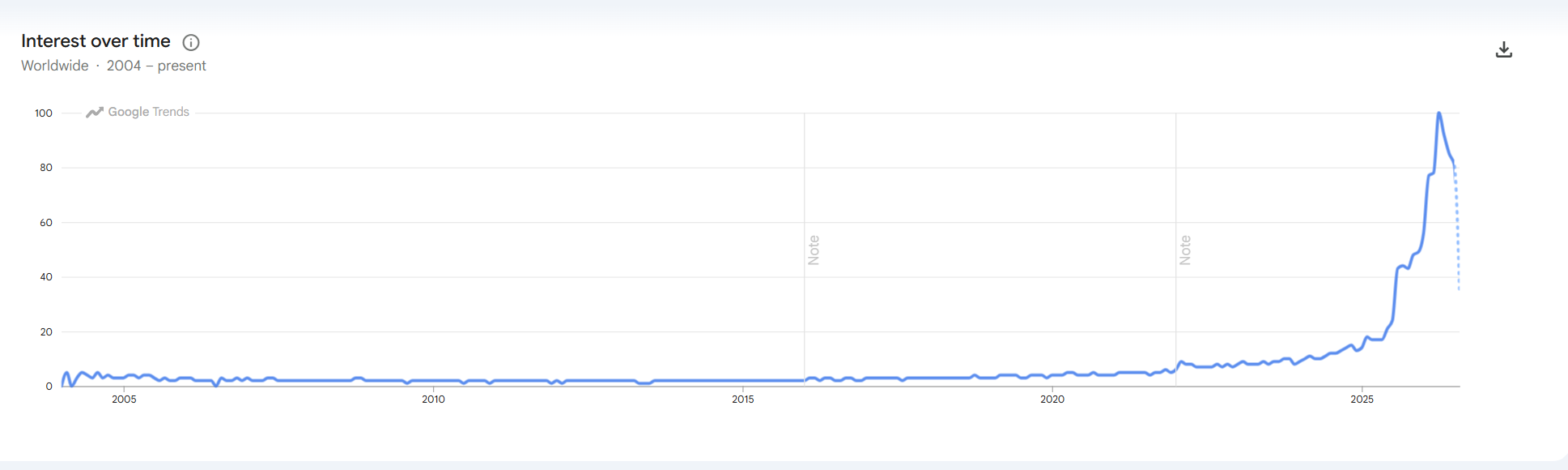
The term data-driven has been thrown around and abused for decades, but the recent adoption of AI tools regurgitating content has brought it to new heights.
In decision-making, data-driven refers to collection and analysis of data to guide decisions and improve chances of success.
The notion that no data = opinion, however, might not entirely hold true. At Stories of Data, we believe intuition plays an important role in decision-making. Gut feeling is still data, just compressed and without any evidence attached. It is our "second brain" alerting us that something is off and we encourage vocalizing it. Otherwise, we might not be looking at the complete picture.
Bezos, Branson and Jobs have all advocated for intuition in business. Bezos noted how delivery data can say everything's on time, and customers can still be unhappy. Looking at a dashboard while ignoring your gut feeling can be fatal.
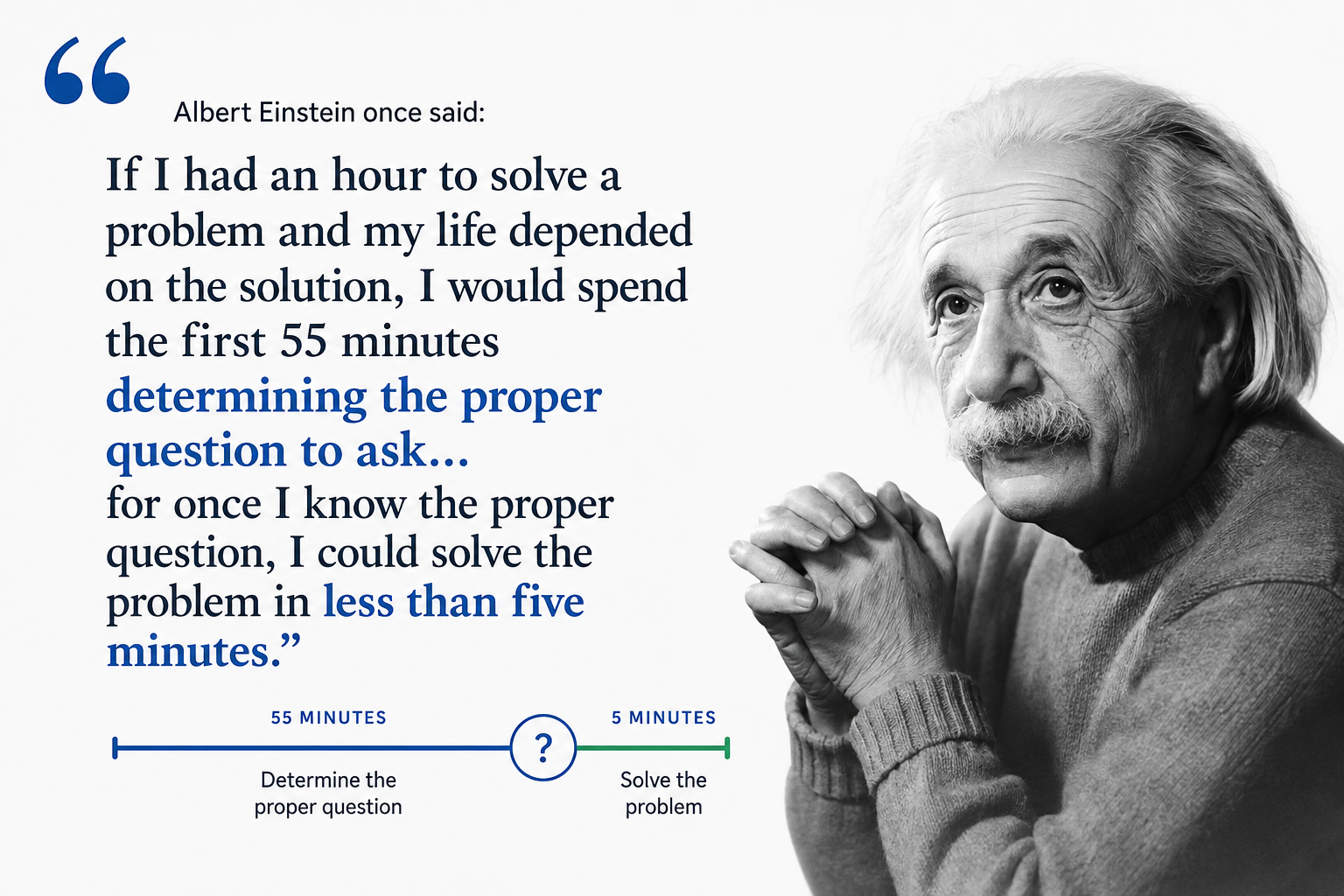
There's been quite a few attempts to save the word -- data-assisted, data-informed and similar expressions have emerged to emphasize it is more than just data driving the decision. But we would argue that it's not the decision that's being driven, it's the question. What data does, is it evokes better, more nuanced questions.
Data-driven says
Data-informed asks
“Sales are down 12%. What do we cut?”
“This campaign has the lowest CPA. Scale it.”
“Customers use Feature A more. Invest in Feature A.”
“This landing page gets more clicks. It’s better.”
“Revenue is growing, so the strategy is working.”
“Sales are down 12%. What’s driving the decline?”
“Why is the CPA lower, and are we attracting the right customers?”
“Why do customers use Feature A, and what job are they trying to accomplish?”
“It gets more clicks, but does it produce better leads or revenue?”
“Revenue is growing, but what’s causing the growth and is it sustainable?”
Data analysis is nothing more than an exercise on learning how to ask better questions. Dashboards are useful in that they let you monitor how things are going but deciding on where to go next -- that's still on you, and it requires much more than being "data-driven".